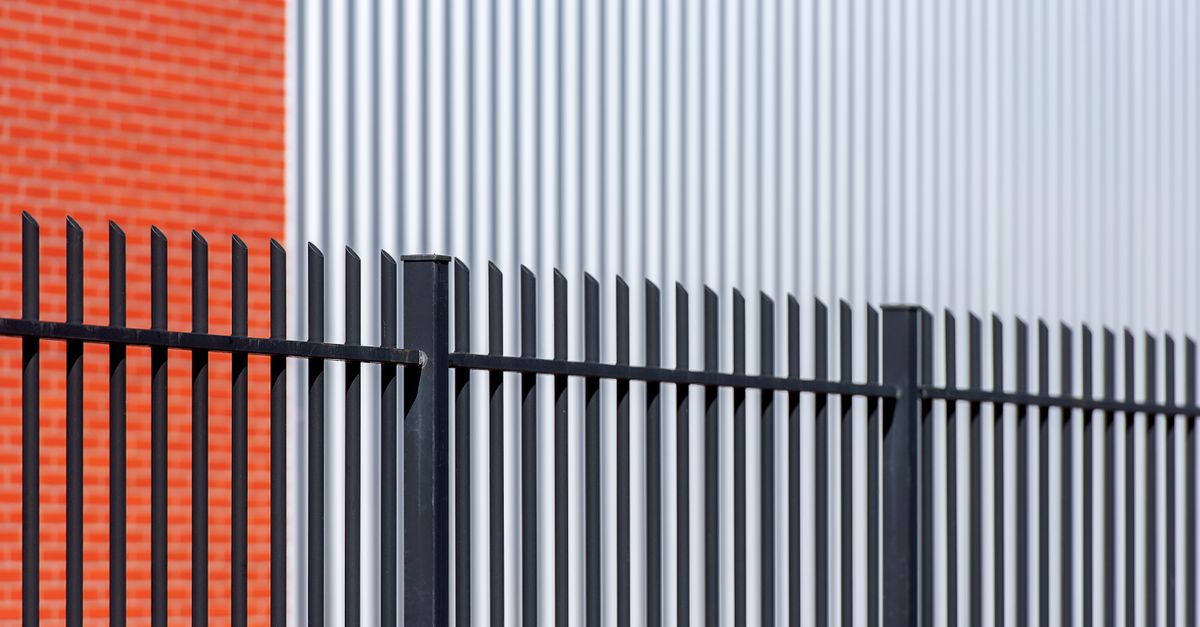
Essential Maintenance Products for Longevity of Fences
Table Of Contents
Seasonal Maintenance Tips
Regular inspections during each season can help identify potential issues before they become more significant problems. In spring, check for any storm damage from winter. Look for broken boards or loose nails. Apply a protective sealant to prevent moisture intrusion and protect against UV rays. Summer maintenance focuses on removing debris and weeds that could affect the fence's stability. Ensure plants are trimmed back to prevent them from encroaching on the fence.
As the season changes to autumn, prepare for falling leaves and moisture accumulation. Cleaning up around the fence is crucial to prevent rot and insect infestations. In winter, look for any areas where snow or ice may pose a risk to the structure. Sanding down rough edges or applying a fresh coat of protective stain can help maintain the fence's integrity during harsh weather. Winter storms can be particularly damaging, so reinforcing weak points may be necessary ahead of the colder months.
Preparing Fences for Different Weather Conditions
Fences endure various weather conditions throughout the year, each posing unique challenges that can compromise their integrity. In hot, sunny climates, wood can dry out and crack, while metal may suffer from rust due to moisture exposure. Regular inspections are vital. Applying a protective finish or sealant can offer a buffer against harsh UV rays and dampness. During periods of heavy rain or storms, ensuring proper drainage around the base can mitigate rotting or rusting.
In colder months, frost can cause ground movement, potentially leading to unstable posts. Regularly checking for any shifts or leaning can prevent more costly repairs later on. Consider using insulated covers for vulnerable materials or installing windbreaks to shield against extreme conditions. Attention to these seasonal nuances helps maintain fences in optimal condition, prolonging their life and functionality. Keeping a maintenance schedule tailored to weather patterns will ensure that fences remain sturdy and visually appealing year-round.
Tools for Fence Maintenance
A variety of tools are essential for effective fence maintenance. A high-quality pressure washer can help remove dirt, mould, and mildew from wooden fences. For wooden structures, a sturdy paintbrush or sprayer is crucial for applying protective sealants and stains. Additionally, a post hole digger is necessary for any repairs or replacements that involve setting new posts in the ground. Having a reliable set of hand tools like hammers, screwdrivers, and pliers ensures that small adjustments can be made as needed, prolonging the life of the fence.
Safety equipment should not be overlooked during maintenance tasks. Goggles protect the eyes from debris while working, and gloves offer safety during painting or repair work. A sturdy ladder is vital for reaching higher sections, ensuring proper care without the risk of accidents. Furthermore, a measuring tape and level aid in maintaining accurate alignment and spacing, which is essential for both aesthetic appeal and structural integrity. Investing time in gathering the right tools makes a significant difference in the upkeep of a fence, ensuring its durability and functionality over the years.
Essential Equipment for Effective Care
Having the right tools at hand is crucial for maintaining fences effectively. A strong pair of gloves protects hands from splinters and sharp edges while working on wooden or metal surfaces. A good quality pressure washer can help remove dirt, mould, and mildew that accumulate over time, ensuring the fence looks its best. Additionally, wood stains and sealants serve as protective measures against weather damage, prolonging the lifespan of wooden structures.
Another essential tool is a reliable saw for trimming any overgrown branches or unwanted undergrowth that may impact the fence's integrity. Having a sturdy hammer and screws ensures that any loose panels can be promptly secured. A measuring tape allows for precise adjustments when adding new components or performing repairs. With these tools in place, maintaining fences becomes a more manageable and efficient task.
DIY vs. Professional Maintenance
Homeowners often consider the option of handling fence maintenance themselves. A DIY approach can lead to significant cost savings and offers a sense of accomplishment. Basic tasks such as cleaning, staining, or sealing fences can be manageable with the right tools and techniques. Many online resources provide step-by-step guides, making it easier for novices to approach these tasks with confidence. However, it's essential to assess personal skill levels and the scope of the work before deciding to tackle repairs alone.
In some cases, professional assistance becomes necessary to ensure the job is done correctly. Complex issues, such as significant structural damage or the need for specialised treatments, often require expert knowledge and equipment. Hiring a professional can also save time and stress, especially for busy homeowners with limited availability. A qualified contractor can provide valuable insights and solutions tailored to the specific needs of the fence, ultimately helping to prolong its lifespan.
When to Call in the Experts
Homeowners often tackle basic tasks such as cleaning and maintaining their fences. Certain situations, however, require professional intervention. Structural damage, extensive rot, or issues that compromise the integrity of the fence may exceed the skills of an average DIYer. Professionals bring expertise and specialised tools essential for repairs that adjust to various materials, weather elements, and expected longevity.
Furthermore, if you lack the time or confidence to handle maintenance tasks adequately, professionals can relieve that burden. They can assess the fence's condition and provide tailored recommendations, ensuring the longevity of the structure. Engaging experts can also save money in the long run by preventing further damage that may arise from improper maintenance techniques or neglect.
FAQS
What are the essential maintenance products needed for fence longevity?
Essential maintenance products include wood sealants, rust inhibitors, paints or stains, cleaning solutions, and protective barriers such as lattice or gravel boards.
How often should I perform maintenance on my fence?
It's recommended to inspect and maintain your fence at least once a year, with additional checks after severe weather events to ensure its longevity.
Can I use household cleaning products on my fence?
While some household cleaning products can be effective, it's best to use specialised fence cleaning solutions that are designed to be safe and effective for the materials of your fence.
What tools are necessary for DIY fence maintenance?
Essential tools include a power washer, paintbrushes or rollers, a sprayer for sealants, a paint scraper, sandpaper, and basic hand tools like hammers and screwdrivers.
When should I consider hiring a professional for fence maintenance?
You should consider hiring a professional if the damage is extensive, if you're unsure about the maintenance process, or if your fence requires specialised equipment or techniques that you don’t have.
Related Links
Top-Rated Repair Kits for Common Fence TypesBest Products for Cleaning and Preserving Fencing Materials
Maintenance Accessories Every Fencing Contractor Should Have
Complete Guide to Fencing Lubricants and Sealants
Seasonal Maintenance Products for Fencing Care
Eco-Friendly Maintenance Solutions for Sustainable Fencing
Protective Coatings to Extend the Life of Fences
Effective Treatments for Rust Prevention on Metal Fencing
How to Choose the Right Maintenance Supplies for Wood Fencing