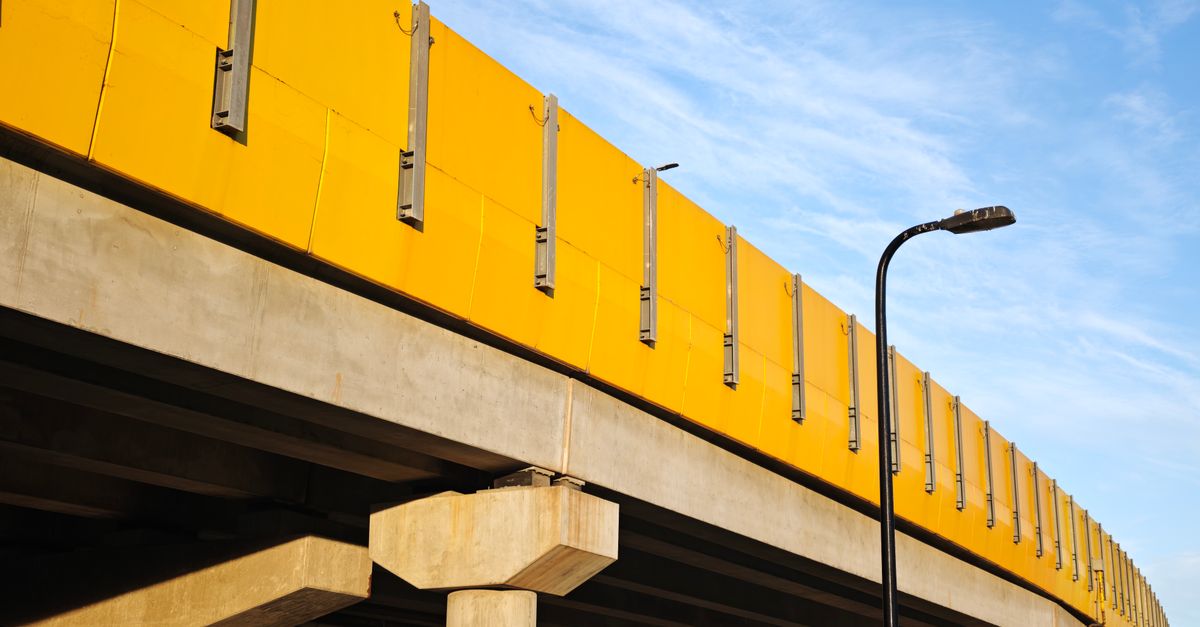
Exploring Colorbond Fencing as a Durable Option for Commercial Properties
Table Of Contents
Maintenance Requirements for Colorbond Fencing
Colorbond fencing requires minimal maintenance, making it an attractive option for commercial properties. Regular inspections are advisable to identify any signs of damage or wear, ensuring that the integrity of the fence is maintained over time. A simple wash with soapy water can remove dirt and debris that may accumulate on the surface. Cleaning should ideally be done every six to twelve months, depending on the environmental conditions and the location of the fence.
Addressing any scratches or dents promptly can prevent rust formation, preserving both the aesthetic and functional aspects of the fencing. It's essential to inspect the posts and panels for any loose fittings or structural issues. While Colorbond is resistant to the elements, ensuring that the fence remains clear of overhanging tree branches or vegetation helps to prolong its lifespan and maintain its appearance.
Best Practices for Longevity
To ensure the longevity of Colorbond fencing, regular inspections are essential. Property owners should check for signs of wear, rust, or any damage caused by harsh weather conditions. Addressing minor issues promptly can prevent more significant problems down the line. It is advisable to clean the surface periodically, removing dirt and debris that could lead to corrosion.
Proper installation also plays a crucial role in the lifespan of Colorbond fencing. Ensuring that the fence is installed on a solid foundation protects against shifting or leaning. Additionally, using appropriate fittings and fixtures can strengthen the integrity of the fencing. Following the manufacturer's guidelines during installation and maintenance is vital for maximising durability.
Environmental Impact of Colorbond Fencing
The production of Colorbond fencing involves processes that primarily utilise steel, a highly recyclable material. Most Colorbond products contain a significant percentage of recycled content, contributing to a reduction in the demand for raw materials. Steel can be recycled multiple times without compromising its structural integrity, which enhances its sustainability profile. Additionally, the durability of Colorbond fencing means it typically requires less frequent replacement compared to alternatives, reducing waste in the long term.
Installation practices for Colorbond fencing often have a minimal impact on the surrounding environment. The use of prefabricated panels allows for quicker installation, limiting disturbances to the local ecosystem. Furthermore, Colorbond's manufacturing processes are designed with energy efficiency in mind, which contributes to lower carbon emissions compared to traditional fencing materials. Choosing Colorbond supports environmentally responsible practices, aligning with the increasing demand for sustainable solutions in construction and property development.
Sustainability Features
Colorbond fencing incorporates several sustainability features that make it a responsible choice for environmentally conscious businesses. Manufactured from recycled materials, it contributes to a reduction in waste. Additionally, the production process is optimised for energy efficiency, which minimises the carbon footprint associated with manufacturing. The long lifespan of Colorbond fencing further enhances its sustainability, as it reduces the need for frequent replacements and maintenance, conserving resources over time.
In terms of performance, Colorbond fencing is resistant to harsh weather conditions, which means it does not require harmful treatments or chemicals that could leach into the environment. The coating technology used not only enhances durability but is also designed to resist fading and corrosion, prolonging the life cycle of the product. This resilience ensures that the fencing remains functional and aesthetically pleasing for years, leading to less frequent disposal and replacement, underscoring the commitment to sustainable practices in commercial property management.
Comparing Colorbond Fencing with Other Materials
Colorbond fencing stands out when compared to traditional materials like timber and wire. Its resistance to rust, warping, and pests means it requires minimal upkeep. Unlike timber, which can deteriorate over time due to moisture and insect infestations, Colorbond maintains its appearance and structural integrity for many years. Additionally, the inherent strength of Colorbond steel provides enhanced security and durability, an essential factor for commercial properties.
Wire fencing, while cost-effective, often lacks the strength needed for long-term use in busy environments. It can be easily damaged and does not provide the same level of privacy or aesthetic appeal as Colorbond. The variety of colours and styles available with Colorbond allows property owners to choose a design that complements their business facade while ensuring a robust protective barrier. These factors collectively make Colorbond fencing a superior choice for those seeking longevity and low maintenance in their fencing solutions.
Advantages Over Timber and Wire Fencing
Colorbond fencing provides superior durability compared to traditional timber and wire options. It is resistant to rot, pests, and weathering, which often plague timber fences. This durability translates to a longer lifespan and reduced need for replacement or significant repairs. Unlike wire fencing, which may sag or become damaged over time, Colorbond offers a sturdy structure that maintains its shape and appearance.
Furthermore, Colorbond's colour options allow for greater aesthetic flexibility. This fencing can blend seamlessly into various landscapes and architectural styles, enhancing the overall appeal of a commercial property. In contrast, timber may require regular staining or painting for maintenance, while wire fencing lacks the visual attributes that Colorbond provides. This makes Colorbond not only a practical choice but also a visually appealing one in a competitive commercial environment.
FAQS
What is Colorbond fencing?
Colorbond fencing is a type of fencing made from durable, pre-painted steel, designed to withstand Australian weather conditions while providing a modern aesthetic.
How do I maintain Colorbond fencing?
Maintenance for Colorbond fencing is minimal, typically requiring occasional cleaning with water and mild detergent to remove dirt and debris, and checking for any signs of damage or rust.
What are the sustainability features of Colorbond fencing?
Colorbond fencing is made from recyclable materials and is designed to last for many years, reducing the need for replacement and minimising waste. Additionally, its energy-efficient manufacturing process contributes to its sustainable profile.
How does Colorbond fencing compare to timber and wire fencing?
Colorbond fencing offers several advantages over timber and wire fencing, including greater durability, lower maintenance needs, resistance to rot and pests, and a longer lifespan.
Is Colorbond fencing suitable for all commercial properties?
Yes, Colorbond fencing is suitable for a wide range of commercial properties, including warehouses, retail spaces, and industrial sites, due to its strength, versatility, and visual appeal.
Related Links
Benefits of Security Fencing for Industrial Sites in MelbourneOverview of Chain Link Fencing for Melbourne Businesses
The Role of PVC Fencing in Modern Business Perimeters
Choosing the Right Steel Fencing for Commercial Applications
Innovative Biodegradable Fencing Solutions for Eco-Conscious Businesses
A Guide to Wrought Iron Fencing for Enhanced Commercial Aesthetics
Evaluating Electric Fencing as a High-Security Option for Commercial Grounds
Understanding Acoustic Fencing Solutions for Noise Reduction in Urban Areas
Effective Use of Timbers for Commercial Fencing Installations