How to Select the Right Fencing Style for Your Home’s Architecture
Table Of Contents
Considering Local Climate Impacts
Climate plays a crucial role in determining the longevity and maintenance of your fencing. In regions with high humidity and rainfall, materials like wood may warp or rot more quickly, necessitating a robust treatment or alternative options like treated timber or composite materials. Areas prone to strong winds or storms may require sturdier fencing solutions, such as metal or high-quality vinyl, which can withstand harsh conditions without significant damage.
In contrast, drier regions may allow for a broader range of fencing styles but can pose challenges such as cracking or fading, particularly for certain paints and finishing treatments. Selecting a material that aligns with local conditions not only ensures durability but also reduces long-term upkeep. It’s essential to assess both the immediate and seasonal climate when making a choice to guarantee that your fencing remains functional and visually appealing over time.
How Weather Affects Fencing Choices
Weather conditions play a significant role in determining the best fencing materials for your property. In regions that experience heavy rainfall or high humidity, opting for moisture-resistant materials like vinyl or treated timber can help prevent decay and prolong the life of the fence. Conversely, areas with harsher climates, such as extreme heat or cold, may require materials that can withstand temperature fluctuations without warping or cracking.
Wind speed is another consideration when selecting fencing styles. In windy regions, sturdy options like metal or solid wood fences may be preferable to ensure they remain intact during severe weather events. Additionally, adding a fence with a design that reduces wind resistance can prevent damage while maintaining a comfortable outdoor space. Assessing local weather patterns will ultimately guide homeowners in making informed decisions about the most suitable fencing options for their environment.
Enhancing Curb Appeal with the Right Colour
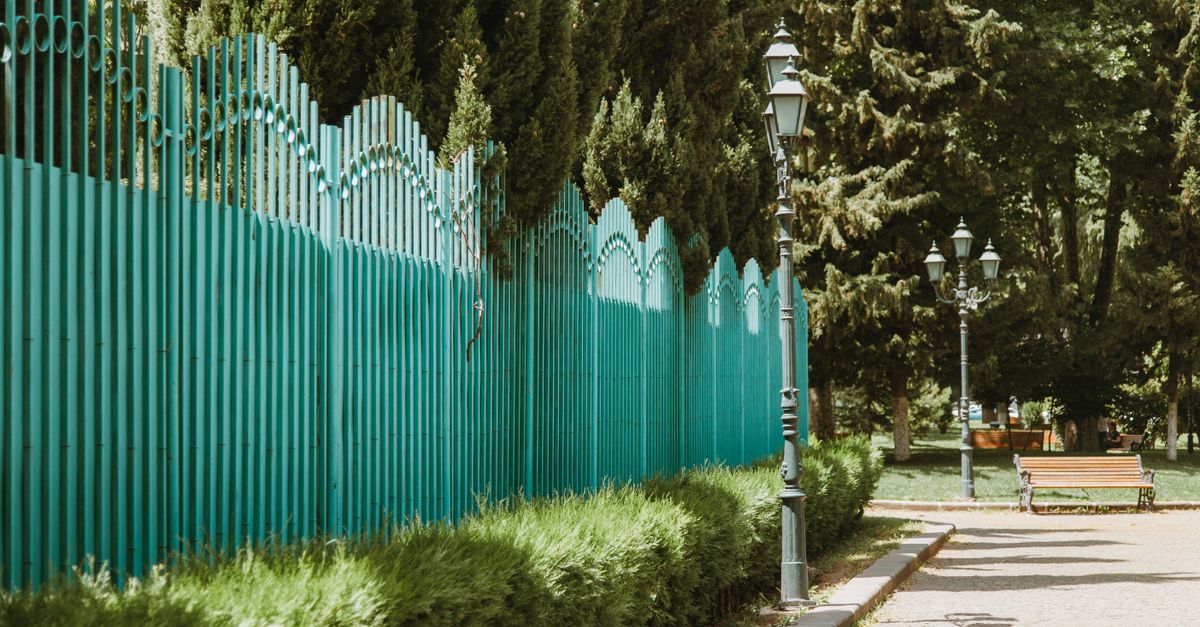
The choice of colour for fencing can greatly influence the overall aesthetics of a home. Selecting shades that harmonise with the existing architecture enhances visual appeal, contributing to a well-coordinated look. Neutral tones like white, grey, or beige can create a timeless backdrop, allowing other elements of the garden or house to stand out. Alternatively, bolder colours can become eye-catching features, serving as a statement piece while still reflecting the personality of the homeowner.
Consider the surrounding environment when selecting a colour for your fence. Natural landscapes often lend themselves to earthy tones that blend seamlessly with the scenery, while urban settings might benefit from more modern and vibrant hues. Additionally, the colour should withstand the test of time and varying weather conditions. Consulting with local experts can provide helpful insights into popular colour choices that resonate well within the community, ensuring that the selected hue enhances both the home's character and its market appeal.
Colour Schemes that Complement Architecture
The selection of colour for your fencing can significantly influence the overall aesthetic of your home. Neutral shades like beige, grey, or white often harmonise well with traditional architecture, allowing the structure to take centre stage. Conversely, bolder colours can create a striking contrast, especially with modern designs. Dark hues, such as charcoal or navy, tend to provide a sophisticated flair and work exceptionally well against lighter facades, bringing depth to the visual appeal.
It’s essential to consider how the colour complements both your home and its surroundings. Botanical elements, such as gardens or mature trees, can dictate colour choices; a vibrant fence can either stand out beautifully among lush greenery or blend seamlessly to create a serene atmosphere. Take note of your neighbourhood’s colour palette for inspiration, ensuring your fence not only enhances your home's character but also feels cohesive with the local environment.
Budgeting for Your Fencing Project
When planning a fencing project, it is essential to have a clear understanding of your budget. Costs can vary significantly depending on the materials chosen, the size of the area to be fenced, and whether professional installation is required. Timber, aluminium, and vinyl each have their own price points. You should also consider the ongoing maintenance expenses associated with each material, as some may require more upkeep than others over time.
In addition to the initial costs, take into account potential long-term savings. Investing in durable materials might seem pricier upfront but can lead to lower replacement costs down the line. Researching local suppliers and obtaining multiple quotes will help you gauge fair pricing. Keeping an eye on seasonal sales or promotions might also provide opportunities to save while ensuring the quality of the fencing meets your needs.
Understanding Costs and Long-term Investment
When planning a fencing project, it’s essential to have a clear understanding of associated costs. Various materials offer different price points, from treated timber to wrought iron. Labour costs will also vary based on the complexity of the installation and the fencing style chosen. Conducting thorough research is important, as it can help in identifying the best value options that fit both your budget and desired aesthetic.
Planning for long-term investment is equally crucial when choosing fencing solutions. While some materials may be cheaper upfront, their durability and maintenance requirements can lead to higher costs over time. Opting for quality products typically results in lower ongoing maintenance and replacement needs. Therefore, evaluating the lifespan of different fencing types will ensure you make a financially sound decision that enhances both the property’s value and appearance in the long run.
FAQS
What factors should I consider when selecting a fencing style for my home?
You should consider your home’s architecture, local climate, desired level of privacy, maintenance requirements, and budget. Each of these elements will help determine the most suitable fencing option for your property.
How does the local climate affect my fencing choices?
Local climate impacts the durability and maintenance of various fencing materials. For instance, areas with high humidity may require more durable materials like vinyl or treated timber, while regions with strong winds might benefit from lower fences or materials designed to withstand such conditions.
What colour schemes work best for complementing my home’s architecture?
Choose colours that either match or complement your home’s existing colour palette. Neutral colours often work well with a variety of architectural styles, while bolder colours can make a statement if used thoughtfully.
How much should I budget for a fencing project?
The cost of fencing can vary widely based on materials, length, and installation. It's essential to research materials, obtain quotes from contractors, and account for the long-term investment in terms of maintenance and durability.
Are there any fencing styles that improve curb appeal?
Yes, styles such as picket fences, wrought iron, and modern horizontal slats can enhance your home's curb appeal. The choice of material and colour also plays a significant role in how attractive the fence will be.
Related Links
Unique Fencing Features to Define Your Outdoor Living AreasRustic Fencing Ideas that Bring Charm to Your Melbourne Property
Eco-Friendly Fencing Designs that Complement Australian Gardens
Using Colour and Texture in Fencing to Reflect Your Home’s Character
Integrating Natural Elements into Your Home's Fencing Design
Stylish Fencing Options for Coastal and Beachside Properties
Maximising Privacy with Creative Fencing Solutions for Suburban Homes