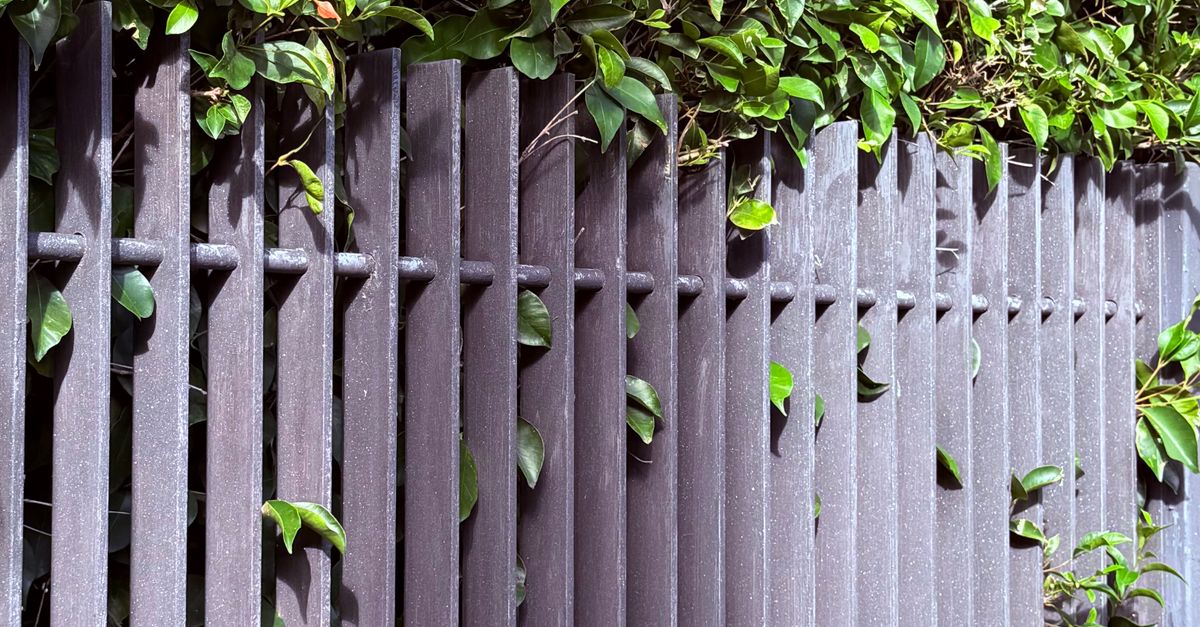
Supporting Environmental Goals with Sustainable Commercial Fencing
Table Of Contents
Durable Fencing Solutions that Last
When selecting fencing, durability should be a top priority. Fences made from high-quality, sustainable materials such as recycled composite wood or galvanised steel can withstand harsh weather conditions and resist fading or rotting. These materials offer significant longevity, reducing the need for frequent replacements. With proper installation and regular maintenance, these fences can serve their purpose for many years, making them a wise investment for both residential and commercial properties.
Sustainable fencing solutions also align with environmental conservation efforts. By opting for fencing that requires less frequent replacement, property owners contribute to reducing waste in landfills. Additionally, durable fences often come with reduced impact on natural resources over time, as fewer materials need to be harvested for new fences. Choosing resilient options can help property owners support sustainability while enjoying the aesthetic and functional benefits of a long-lasting fence.
Cost-Effectiveness of Sustainable Materials Over Time
Investing in sustainable materials for fencing is not just an environmentally friendly choice; it can also be financially prudent in the long run. While the initial cost of materials like recycled plastic, bamboo, or sustainably harvested wood may be slightly higher than traditional options, the durability and longevity of these materials often negate the need for frequent replacements. Over time, the reduced maintenance and repair costs add to the overall savings, making these eco-friendly choices more appealing for budget-conscious consumers.
Additionally, using sustainable fencing materials can enhance property value. Buyers are increasingly aware of environmental considerations and may prefer homes with features that reduce their carbon footprint. This shift in market demand can lead to greater resale values for properties that incorporate sustainable practices. Overall, the long-term benefits of utilising eco-conscious fencing materials extend beyond immediate financial savings, contributing to a more sustainable future.
Reducing Waste in Construction
The construction industry is a significant contributor to waste, with large quantities of materials often discarded during fencing projects. Sustainable commercial fencing can alleviate this issue by utilising materials that are recyclable or sourced from reclaimed sources. By choosing products designed for efficiency, the overall amount of waste generated can be dramatically decreased. These solutions not only help minimise the environmental impact but also encourage responsible consumption practices among consumers and businesses alike.
Emphasising waste reduction also involves strategic planning during the installation process. Implementing techniques such as prefabrication can lead to more precise measurements and fewer mistakes, which reduces excess material usage. Furthermore, proper training for workers can ensure that resources are used wisely, keeping scraps to a minimum. Engaging suppliers committed to sustainable practices enhances the ability to lower waste throughout construction projects.
Best Practices for Sustainable Fencing Installation
When considering installation, selecting the right location is crucial. This ensures optimal exposure to natural elements while maintaining the integrity of the surrounding ecosystem. Pre-installation site assessments help identify native vegetation and wildlife habitats, reducing the potential for disruption. Employing lightweight tools and machinery limits soil compaction, preserving the natural landscape and promoting healthier growth of local flora.
Utilising environmentally friendly techniques during the installation process is essential. Minimising the use of concrete and opting for post anchors made from renewable resources decreases environmental impact. Employing manual labour for fence erection can further reduce carbon footprints by limiting machinery use. Adopting these practices fosters a responsible approach to construction, aligning with broader sustainability objectives in the commercial fencing sector.
The Importance of Maintenance in Sustainability
Proper upkeep is vital for any fencing solution, especially those designed with sustainability in mind. Regular maintenance not only extends the lifespan of eco-friendly materials but also ensures that their natural beauty remains intact. Environmental factors can take a toll on fences over time, leading to deterioration. Frequent inspections allow property owners to identify potential issues early, preventing costly repairs down the line.
Caring for sustainable fencing also aligns with broader environmental goals. When fences are well-maintained, they are less likely to require replacement, which ultimately reduces waste and conserves resources. Incorporating sustainable practices into maintenance routines, such as using eco-friendly cleaners and treatments, can further minimise the ecological footprint. This conscientious approach not only enhances the durability of the fencing but also supports a healthier environment.
Techniques for Caring for Eco-Friendly Fencing
Regular maintenance enhances the lifespan and functionality of eco-friendly fencing. Inspect the fence periodically for signs of wear, such as rust or decay, depending on the materials used. Clean the surface to remove dirt and debris that can impact its integrity. For wooden options, consider applying natural oils or non-toxic sealants to protect against moisture and pests. This not only preserves the appearance but also reinforces the structure against environmental elements.
When it comes to repairs, opt for sustainable materials that align with the fencing's original design. Use recycled or locally sourced components to maintain environmental integrity. Properly addressing issues promptly can prevent more extensive damage that would necessitate replacement. Additionally, encourage native plant growth around the base of the fence to enhance ecological balance, as these plants can provide additional protection and minimise erosion.
FAQS
What are the benefits of using sustainable materials for commercial fencing?
Sustainable materials reduce environmental impact, often come from renewable sources, and can offer long-lasting durability, which can save costs in the long run.
How can sustainable fencing contribute to environmental goals?
Sustainable fencing minimises carbon footprints, utilises eco-friendly materials, and reduces waste in construction, supporting a more sustainable approach to infrastructure.
What are some examples of sustainable fencing materials?
Examples include bamboo, recycled metal, and composite materials made from recycled plastics, all of which are designed to be more environmentally friendly than traditional options.
What maintenance practices should I follow for eco-friendly fencing?
Regular cleaning, applying non-toxic sealants, and inspecting for damage are crucial to prolonging the lifespan of eco-friendly fencing and ensuring its sustainability.
How does the installation process of sustainable fencing differ from traditional fencing?
Sustainable fencing installation often focuses on minimising waste, using fewer resources, and may require different techniques to ensure that the materials are used efficiently and effectively.
Related Links
Establishing Safety Standards with Reliable Fencing OptionsEnhancing Security: The Key Advantages of Commercial Fencing
Boosting Brand Image with Professionally Installed Fencing
Facilitating Access Control through Commercial Fencing Systems
Minimising Liability Risks with Effective Commercial Boundary Solutions
Creating Defined Spaces: The Functional Benefits of Fencing
Deterring Crime: The Protective Benefits of Commercial Fencing
Increasing Property Value through Strategic Fencing Solutions